
After a vehicle has been sitting in the sun, many drivers immediately turn the air conditioning to its coldest setting to cool the cabin as quickly as possible. While this provides fast relief from the heat, sudden temperature changes can place stress on the windshield.
At Liberty AutoGlass, a reliable auto glass company in Northeastern Pennsylvania, we help drivers protect their vehicles with professional windshield repair and replacement services. Our experienced technicians understand how environmental conditions affect auto glass and provide reliable solutions that keep windshields safe and durable.
In this article, you’ll learn how windshield temperature change can affect your auto glass, how temperature fluctuations contribute to glass stress, the conditions that increase the risk of damage, and the best ways to protect your windshield from costly repairs.
Understanding How Cold Temperature Affects Your Windshield
Cold air from your vehicle’s air conditioning system is only one part of the equation. Understanding how temperature changes affect windshield glass helps explain why existing chips and weak spots can become larger cracks under the right conditions.
Why Windshields Respond to Heat and Cold
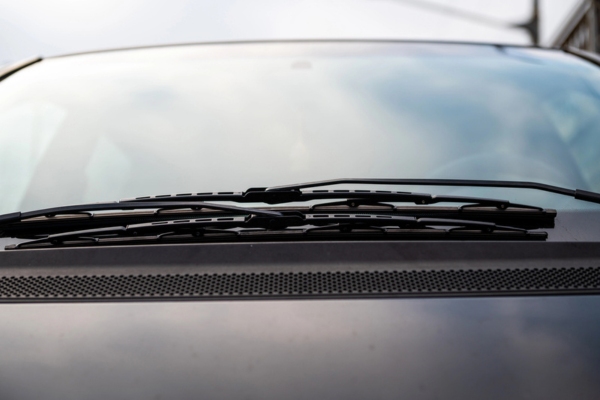
Windshield glass naturally expands in high temperatures and contracts as it cools, making rapid temperature changes a source of stress within the glass. When a vehicle has been sitting in the sun, the outer surface of the windshield often remains much hotter than the interior surface, which cools quickly once the air conditioner is turned on.
This uneven temperature distribution creates thermal stress that places additional strain on the glass. Although modern laminated windshields are engineered for strength and durability, they are still affected by repeated temperature fluctuations, particularly when chips, edge damage, or other existing weaknesses are already present.
The Effects of Rapid Cooling on a Windshield
Cold air from your vehicle’s air conditioning system directed toward a windshield that has been heated by direct sunlight creates a sudden temperature difference between the inner and outer glass surfaces. This rapid cooling places the windshield under thermal stress as the glass adjusts to the uneven temperatures. Small chips, edge damage, and minor cracks are especially vulnerable during this process, as weakened areas are more likely to expand when additional stress is applied.
Repeated transitions between intense outdoor heat and a cooled vehicle interior can gradually increase stress on an already damaged windshield. Over time, these temperature cycles may cause existing flaws to spread, particularly when combined with normal road vibrations and vehicle movement.
An undamaged windshield that has been properly installed can typically withstand normal air conditioning use without developing thermal cracks. The greatest concern arises when pre-existing damage is exposed to repeated or sudden temperature changes.
Factors That Make Windshield Damage More Likely

Several conditions can increase the amount of thermal stress placed on your windshield, making existing weaknesses more likely to develop into larger cracks.
- Prolonged Sun Exposure: Vehicles parked in direct sunlight can reach extremely high windshield temperatures. Turning on the air conditioner immediately afterward creates a sharper temperature difference across the glass.
- Pre-Existing Glass Damage: Chips, scratches, pits, and edge defects weaken the windshield’s structural integrity, making these areas more susceptible to thermal stress and crack growth.
- Poor Installation or Aging Glass: Improper installation, deteriorated seals, worn adhesives, and aging windshields may reduce the glass’s ability to withstand rapid temperature changes.
- Extreme Seasonal Weather: Intense summer heat and freezing winter temperatures intensify the effects of sudden temperature changes, placing additional stress on the windshield year-round.
How to Protect Your Windshield From Temperature Damage in PA
Protecting your windshield from temperature-related damage starts with minimizing sudden changes in glass temperature. Open the windows briefly before turning on the air conditioner to let trapped heat escape, then lower the cabin temperature gradually rather than immediately selecting the coldest setting. Once the interior has cooled, avoid directing cold air from the air conditioning vents straight at the windshield to reduce localized thermal stress.
Repairing small chips or cracks as soon as they appear helps prevent seasonal temperature changes from causing the damage to spread. Parking in shaded areas, using a windshield sunshade, or choosing covered parking whenever possible also helps reduce heat buildup and limits the temperature difference your windshield experiences.
When to Schedule Professional Windshield Service in Northeastern Pennsylvania
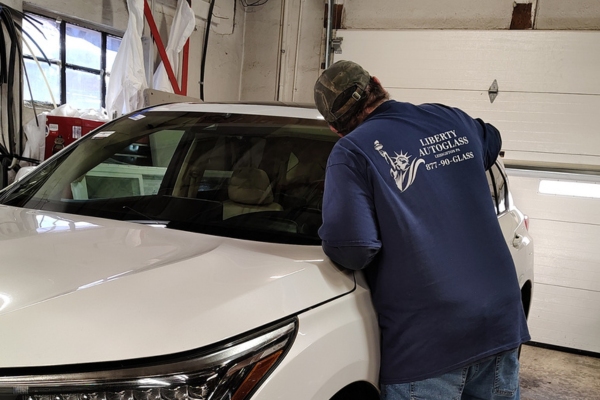
Temperature-related stress can worsen existing windshield damage, making prompt professional attention important. Cracks that continue to expand after extreme heat or rapid cooling often indicate weakening structural integrity, while edge cracks tend to spread more quickly and affect the windshield’s strength.
Chips or cracks within the driver’s field of vision can also reduce visibility and may require replacement. If you notice any of these warning signs, Liberty AutoGlass can inspect the damage, determine whether a repair is possible, and recommend replacement when needed to restore your windshield’s safety.
FAQs: Windshield Temperature Change

Yes. Professionally installed, legally compliant window tint can minimize the amount of solar heat entering the vehicle, helping keep the cabin cooler while the car is parked. Although tint will not eliminate thermal stress entirely, it can lessen extreme temperature buildup and reduce the sudden temperature difference that occurs when the air conditioner is turned on.
Why Do Some Windshields Crack Days After a Chip First Appears?
Small chips often weaken the structural integrity of the glass without causing immediate failure. Daily exposure to sunlight, changing temperatures, road vibrations, and normal vehicle movement gradually place additional stress on the damaged area, allowing a minor chip to develop into a larger crack over time.
Does Windshield Quality Affect Resistance to Temperature Changes?
Yes. Windshields manufactured to meet original equipment standards and installed correctly are designed to withstand normal environmental temperature changes. Lower-quality glass, improper installation, or poor adhesive bonding may reduce the windshield’s ability to handle thermal stress and everyday driving conditions.
Can Seasonal Temperature Changes Affect Windshield Adhesives?
Yes. Modern urethane adhesives are engineered to perform in a wide range of temperatures, but aging, improper installation, or prolonged exposure to harsh environmental conditions can gradually affect their performance. Maintaining a secure bond between the windshield and the vehicle is essential for structural support and occupant safety.
Does Replacing a Windshield Restore Its Resistance to Thermal Stress?
Yes. A professionally installed replacement windshield that meets manufacturer specifications is designed to withstand normal temperature fluctuations and everyday driving conditions. Proper installation, high-quality glass, and the correct urethane adhesive help restore the windshield’s structural integrity and improve its ability to handle thermal stress. Following the recommended curing time after installation also helps ensure the windshield performs as intended.
Conclusion
Heat and cold air conditioning can create temperature differences that place stress on your windshield, particularly when chips, cracks, or other weak points are already present. Cooling your vehicle gradually, repairing minor damage early, and taking preventive measures can help reduce the risk of larger cracks and extend the life of your auto glass.
If your windshield shows any signs of damage, contact Liberty AutoGlass. Our experienced technicians provide professional inspections, repairs, and replacements to restore your windshield’s strength and help keep you safe on the road in every season.
Contact Liberty AutoGlass for Expert Auto Glass Services in Northeastern Pennsylvania

Drivers trust Liberty AutoGlass for professional windshield repair, replacement, and auto glass services throughout Northeastern Pennsylvania that promote safe, reliable driving. We use high-quality materials and proven repair methods to restore clear visibility and maintain your vehicle’s structural integrity.
For added convenience, our certified technicians provide mobile service at your home, workplace, or job site. Whether you need a minor chip repair, a full windshield replacement, or side or rear glass service, we complete every job efficiently while working directly with your insurance provider to simplify the claims process.
Contact Liberty AutoGlass today to schedule your service and keep your vehicle safe on the road. Count on Liberty AutoGlass for reliable service, skilled workmanship, and auto glass solutions tailored to your needs. Contact us today or call us at (610) 377-7787 or (877) 90-GLASS to schedule an appointment. Click here to view our complete mobile auto glass service area in Pennsylvania.

Related Articles:
Category Windshields