Windshield pitting is a common form of glass wear that develops gradually as your windshield is exposed to road debris, dust, sand, salty air, UV rays, and other environmental elements. Although individual impacts may seem minor, years of exposure can create countless small surface imperfections that reduce visibility and increase glare.
At Liberty AutoGlass, a trusted auto glass service company in northeastern Pennsylvania, we help drivers maintain clear, safe visibility through professional auto glass inspections, repairs, and windshield replacement services. This article explains what windshield pitting is, what causes it, how it affects driving safety, and when replacement may be the most effective solution.
Restore Clear Visibility Behind the Wheel: Let Liberty AutoGlass evaluate your windshield and recommend the best solution. Call now!
Understanding Windshield Pitting
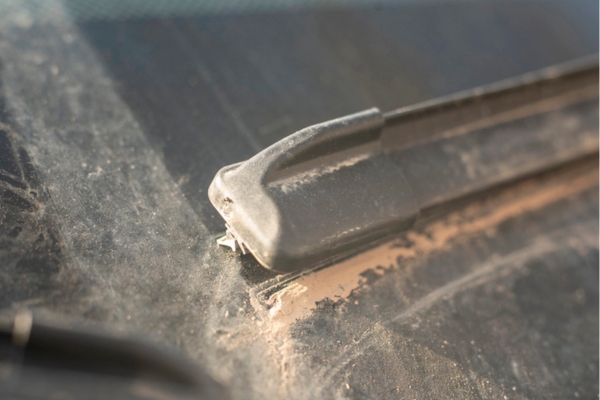
Even though windshield pitting develops slowly, its effects on visibility can become increasingly noticeable over time. Understanding how pitting forms and how it differs from other types of windshield damage can help drivers recognize potential safety concerns before they worsen.
Reduce Glare and Improve Driving Safety: Rely on Liberty AutoGlass for a thorough windshield inspection. Give us a call today!
What Is Windshield Pitting?
Windshield pitting refers to the gradual development of tiny surface imperfections caused by repeated impacts from sand, dust, road debris, and other airborne particles. Over time, these impacts create small dents, divots, and rough spots across the glass.
Unlike chips and cracks, pitting typically does not produce a visible fracture or immediate structural concern. Instead, it slowly wears down the windshield surface and reduces optical clarity. The damage often develops so gradually that drivers may not recognize it right away. In many cases, windshield pitting becomes noticeable only when sunlight, headlights, or wet weather increase glare and make visibility more difficult.
What Causes Windshield Pitting?
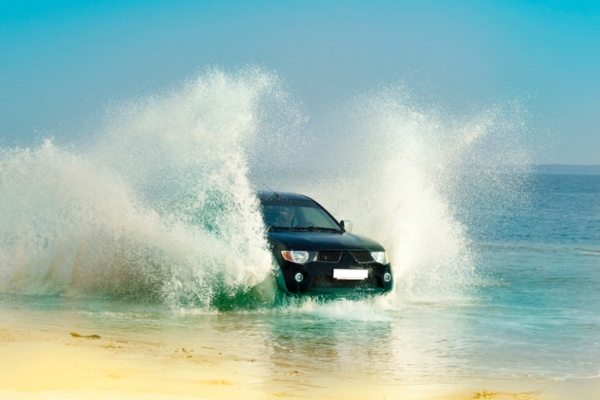
Windshield pitting develops gradually as countless small impacts and environmental factors wear away the glass’s outer layer. While a single event rarely causes noticeable damage, years of exposure can lead to widespread surface imperfections.
Road Debris and Gravel
Small rocks, gravel, sand, and other roadway materials are among the leading causes of windshield pitting. Even tiny particles traveling at highway speeds can strike the glass with enough force to create microscopic surface damage that accumulates over time.
Don’t Let Surface Damage Affect Your Vision: Trust Liberty AutoGlass for expert auto glass solutions. Call today!
Wind-Blown Dust, Sand, and Salty Air

Drivers who frequently travel through construction zones, rural areas, deserts, or coastal regions may experience faster pitting due to airborne abrasive particles. In coastal environments, salty air can carry fine salt particles that contribute to gradual surface wear and increased glass erosion.
High-Speed Driving
Higher speeds increase the force of impact from airborne debris and road particles. Vehicles that regularly travel on highways or log high annual mileage are often more susceptible to windshield pitting due to their increased exposure to these conditions.
Improve Nighttime Driving Clarity: Explore your windshield replacement options with Liberty AutoGlass. Call now!
UV Rays and Environmental Exposure
Years of exposure to sunlight, UV rays, weather fluctuations, and airborne contaminants can slowly degrade the windshield’s surface. Combined with everyday driving conditions, this ongoing exposure can contribute to widespread pitting, increased glare, and reduced optical clarity.
Signs Your Windshield May Be Pitted

Windshield pitting often develops so gradually that it can be difficult to recognize at first. Watch for these common warning signs that may point to surface wear affecting your visibility:
- Increased Glare From Sunlight: Pitted glass scatters light across the windshield, making bright sunlight harder to manage and reducing overall visibility.
- Headlight Distortion at Night: Oncoming headlights may appear unusually bright, blurry, or star-shaped when viewed through a heavily pitted windshield.
- Reduced Visibility in Rain: Water can collect in small pits, increasing light distortion and making it harder to see clearly in wet weather.
- Rough or Hazy Glass Appearance: Older windshields with significant pitting may develop a cloudy, sandblasted appearance that normal cleaning cannot remove.
Professional Auto Glass Service You Can Trust: Turn to Liberty AutoGlass for reliable windshield care and support. Call today!
How Windshield Pitting Affects Driving Safety
As windshield pitting becomes more severe, it can significantly impact a driver’s ability to see clearly and react safely to changing road conditions. Reduced visual clarity may make it harder to distinguish road signs, lane markings, pedestrians, and surrounding vehicles.
Constant glare and light distortion can also increase eye strain, particularly during long drives. At night, pitted glass scatters light from headlights, streetlights, and illuminated signs, making visibility even more challenging. These combined effects can delay hazard recognition and reduce reaction time when quick decisions are required.
Can Windshield Pitting Be Repaired?
Whether windshield pitting can be addressed depends largely on its severity. An auto glass professional may evaluate minor surface wear to determine whether it has a meaningful impact on visibility. In some cases, polishing can improve the appearance of very light surface imperfections, although it has limitations and is generally ineffective for widespread pitting.
Excessive polishing may also affect optical clarity if not performed properly. When pitting becomes extensive enough to create significant glare or visibility concerns, windshield replacement is often the safest and most effective solution. A professional inspection is the best way to assess the glass’s condition and determine the appropriate course of action.
How to Reduce Future Windshield Pitting
While windshield pitting cannot always be prevented, a few proactive measures can help minimize long-term surface wear and extend your windshield’s lifespan.
- Maintain Safe Following Distances: Leaving more space between your vehicle and trucks or other traffic helps reduce exposure to flying rocks, gravel, and road debris.
- Avoid Construction Zones When Possible: Construction areas often contain loose gravel, dust, sand, and other abrasive materials that can accelerate windshield wear.
- Replace Worn Wiper Blades Promptly: Damaged or deteriorated wiper blades can drag dirt and debris across the glass, contributing to scratches and additional surface wear.
- Schedule Regular Windshield Inspections: Professional inspections can identify developing visibility issues early and help determine whether repair or replacement may be needed to maintain safe driving conditions.
Keep Your Windshield in Safe Condition: Have Liberty AutoGlass assess your auto glass before visibility worsens. Give us a call now!
FAQs: Windshield Pitting

Can Windshield Pitting Affect the Performance of Advanced Driver Assistance Systems (ADAS)?
Yes. Many modern vehicles use cameras and sensors mounted near or behind the windshield for features such as lane departure warnings, automatic emergency braking, and adaptive cruise control. Significant pitting can interfere with camera visibility and potentially affect system accuracy.
Do Certain Types of Vehicles Experience Windshield Pitting More Frequently?
Vehicles that spend extensive time on highways, commercial trucks, fleet vehicles, and vehicles driven in rural, coastal, or construction-heavy areas often experience pitting sooner due to increased exposure to airborne debris and environmental contaminants.
Can Windshield Coatings Help Reduce Future Pitting?
Protective glass coatings may help reduce minor surface wear and improve water repellency, but they cannot completely prevent pitting. Safe driving practices and minimizing exposure to debris remain the most effective ways to slow windshield wear.
Concerned About Windshield Pitting? Let Liberty AutoGlass identify the cause and provide a professional solution. Call today!
Why Does Windshield Pitting Seem Worse During Sunrise and Sunset?
Under low-angle sunlight, light reflects more directly off surface imperfections in the glass. This increases glare and makes pits more noticeable, even when the windshield appears relatively clear during other times of the day.
Does Climate Affect How Quickly Windshield Pitting Develops?
Yes. Windshields in coastal regions, desert environments, and areas with frequent wind, sand, salt exposure, or intense sunlight often develop pitting faster than those in milder climates. Environmental conditions play a significant role in long-term glass wear.
Conclusion
Windshield pitting develops gradually as road debris, sand, dust, salty air, UV exposure, and everyday environmental conditions create small surface imperfections in the glass. Although the damage is often easy to overlook at first, it can eventually increase glare, reduce visibility, and make driving more challenging in bright sunlight, rainy weather, and at night. Recognizing the warning signs early can help prevent visibility issues from becoming safety concerns.
If you believe windshield pitting is affecting your ability to see clearly, turn to Liberty AutoGlass for a professional evaluation. Our experienced technicians can assess your windshield’s condition and recommend the most effective solution to restore clear, safe visibility.
Protect Your Visibility on Every Drive: Choose Liberty AutoGlass for quality auto glass service you can depend on. Call now!
Call Liberty AutoGlass for Professional Auto Glass Solutions in Northern Pennsylvania
Liberty AutoGlass provides dependable auto glass repair and replacement services throughout northern Pennsylvania, helping drivers maintain safety, visibility, and vehicle integrity. Our experienced technicians use proven repair methods and high-quality materials to deliver lasting results while meeting industry standards.
For added convenience, we offer mobile service at your home or workplace and handle everything from windshield repairs to complete side and rear glass replacements. We also assist with insurance claims to help simplify the process. Trust Liberty AutoGlass for skilled workmanship, responsive service, and reliable auto glass solutions. Call today to schedule your appointment.
Contact us today or call us at (610) 377-7787 or (877) 90-GLASS to schedule service today to maintain the clarity and protection your vehicle requires. Click here to view our complete mobile auto glass service area in Pennsylvania.

Related Articles:
Category Windshields